Source Forged High Pressure Instrumentation Fittings for Oil Gas Water
Compare 30 listings of forged high pressure instrumentation fittings from Chinese manufacturers. Buyers can evaluate specifications like pressure class, material, and connection types for oil, gas, and water applications.
Key considerations
Products List






Comprehensive Sourcing Guide
Forged High Pressure Instrumentation Fittings Sourcing Guide
Procuring forged high pressure instrumentation fittings requires a disciplined approach to distinguishing between generic pipe components and specialized fittings designed for critical fluid systems. The supplied market data indicates a diverse range of offerings, from 304 stainless steel elbows to carbon steel couplings, with pressure classifications reaching Cl3000 and Cl6000. Buyers must recognize that while many listings share the "forged" designation, the specific application medium—whether water, oil, or gas—dictates the necessary material integrity and pressure rating. A single procurement order often aggregates items with varying origins, such as Wenzhou, Shandong, and Cangzhou, necessitating a clear definition of the required performance envelope before engaging with suppliers.
The commercial landscape for these components is characterized by significant variability in minimum order quantities (MOQ) and lead times, ranging from single units to millions of pieces and delivery windows between 25 and 30 days. This variance suggests that the market serves both immediate, low-volume instrumentation needs and large-scale industrial projects. Buyers should not assume uniformity in shipping terms or packaging, as observed listings include options from simple cartons to robust plywood cases and pallets. Understanding these logistical parameters is essential for aligning procurement schedules with project timelines, especially when dealing with high-pressure systems where delivery delays can stall critical commissioning phases.
Product Scope and Observed Listing Signals
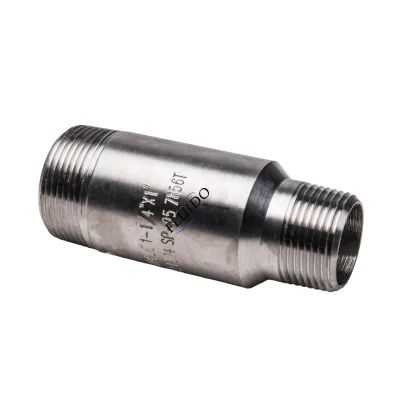
The observed product scope encompasses a wide array of connection types and structural forms, including threaded, female, and universal configurations with angles ranging from 45 degrees to equal bends. Listings frequently specify dimensions such as 1/2" to 4" or 1/8" to 6", alongside specific diameters like 273mm, indicating that the market supports both standard instrumentation tubing and larger process piping applications. The cross-section is consistently round, and the head codes often feature hexagonal designs for wrench engagement, which are standard for high-pressure environments requiring secure torque application. Buyers must verify that the specific model number, such as "F-F" or "1/2"-4" CL3000," aligns precisely with their system's pressure class and thread standards.
Material composition is a primary differentiator in this category, with listings explicitly distinguishing between stainless steel and carbon steel options. The presence of anti-rust oil or galvanization as surface treatments highlights the need for corrosion resistance in specific operating environments, while other listings note "without treatment," requiring immediate post-delivery inspection. Color observations, typically silver for stainless variants, serve as a quick visual check but should not replace material verification. The "Medium Temperature Piping" classification suggests these fittings are not intended for cryogenic or extreme high-temperature service without further validation, limiting their application scope to standard industrial temperature ranges.
Technical Specifications to Verify
Verification of the pressure class is the most critical technical step, as the market data explicitly lists Cl3000 and Cl6000 ratings alongside general "High Pressure" descriptors. Buyers must confirm that the specific fitting's pressure rating matches the system's maximum operating pressure, accounting for safety factors and potential pressure spikes. The connection type, often described as threaded or screwed, requires precise matching of thread standards such as NPT, BSPT, or metric threads, which are implied by the "Thread" and "Female" attributes but not explicitly defined in the provided text. Relying on the "Universal" structure attribute without confirming thread compatibility can lead to sealing failures in high-pressure instrumentation loops.
Dimensional accuracy and manufacturing process details must also be scrutinized, as the "Forged" technique is a key indicator of grain structure and strength compared to cast alternatives. The listed size range of 1/2" to 4" and specific model numbers like "304 Stainless Steel Elbow" provide a baseline, but buyers should request mill test reports to confirm the actual diameter and wall thickness. The "Equal" shape and "45 Degree" angle specifications are common, yet custom angles or non-standard configurations may require OEM support. Ensuring the product matches the "Medium Temperature" and "High Pressure" classifications is vital, as these attributes define the thermal and mechanical limits of the fitting in service.
Compliance and Safety Documentation
Compliance verification extends beyond the basic "Standard" labels to include specific international codes like ASTM, GB, DIN, and JIS, which are frequently cited in the product data. Buyers should demand documentation proving that the fittings meet the specific standard required for their jurisdiction and industry, such as ASME or ANSI for North American projects. The presence of certifications like ISO, CE, SGS, BV, and API in the listings indicates a potential for high compliance, but these must be validated against the specific batch of goods ordered. Relying on a supplier's general claim of "Standard" compliance without requesting the actual certificate for the specific model number is a significant risk in high-pressure applications.
Safety documentation must also address the material traceability and surface treatment processes to ensure long-term reliability. The "anti-rust oil or galvanized" treatments mentioned in the data require verification of the coating thickness and adhesion, particularly for fittings exposed to corrosive media like oil or gas. While a "1 year" warranty is listed, this commercial term does not substitute for technical safety data sheets or pressure test reports. Buyers should insist on EN 10204 Type 3.1 certificates or equivalent third-party inspection reports to confirm that the material composition and mechanical properties match the claimed specifications, ensuring the fittings can safely withstand the intended operating conditions.
Cost Drivers and Commercial Terms
The cost of forged high pressure instrumentation fittings is heavily influenced by the material grade, with stainless steel typically commanding a premium over carbon steel options. The observed price range of $0.2 to $109 reflects this disparity, as well as the impact of pressure class and size; higher pressure ratings like Cl6000 and larger diameters will naturally incur higher costs. Buyers should be aware that the "Forged" manufacturing process adds value through improved mechanical properties but also increases production time and cost compared to casting. Understanding these drivers helps in budgeting for the total cost of ownership, including the potential need for more expensive materials to meet specific corrosion or temperature requirements.
Commercial terms regarding minimum order quantities (MOQ) and lead times are equally critical for budget planning and inventory management. The data shows an MOQ range from 1 to 10,000,000 units, meaning small projects can source single pieces while large industrial contracts may require bulk commitments. Lead times are observed as "Within 25 days" or "Within 30 Days," but these are subject to the supplier's capacity and the complexity of the order. Packaging options, ranging from cartons to plywood cases, also affect shipping costs and must be factored into the total landed cost. Buyers should negotiate these terms early to avoid unexpected delays or storage costs associated with large bulk orders.
Supplier Qualification and Quality Control
Supplier qualification should focus on verifying the origin and manufacturing capabilities, as the data points to multiple production hubs including Wenzhou, Shandong, and Cangzhou in China. Buyers must confirm that the specific factory has the capacity for the "Forged" process and the necessary quality control infrastructure to support OEM, ODM, and OBM requests. The "Customization" attribute suggests flexibility, but this requires a robust supplier relationship to ensure that custom specifications are met without compromising quality. Evaluating the supplier's track record in producing high-pressure fittings is essential, as the consequences of a failure in instrumentation systems can be severe.
Quality control protocols must be established to verify the "High Pressure" and "Medium Temperature" claims before the fittings enter the supply chain. Buyers should implement incoming inspection procedures that check for dimensional accuracy, thread integrity, and surface treatment quality, specifically looking for defects in the "anti-rust oil" or "galvanized" layers. The "1 year" warranty is a baseline, but it should be backed by a clear process for handling non-conforming goods. Regular audits of the supplier's production line and review of their internal testing records are necessary to maintain confidence in the product's ability to perform under the specified pressure and temperature conditions.
Long-Term Procurement Checks
Long-term procurement success depends on establishing a consistent supply chain that can adapt to changing project requirements and regulatory updates. Buyers should monitor the supplier's ability to maintain the "ASTM, GB, DIN, JIS" standards over time, as these codes are subject to revision and may require updates to the product design. The "Customized Support" for OEM, ODM, and OBM indicates that the supplier should be capable of evolving with the buyer's needs, but this requires ongoing communication and clear documentation of any changes. Regular reviews of the supplier's performance against the agreed lead times and quality metrics are essential to prevent disruptions in critical instrumentation systems.
Performance monitoring must include tracking the field behavior of the fittings in actual service conditions to validate the initial technical specifications. If the fittings are used in "Water, Oil, Gas" applications, buyers should collect data on any signs of corrosion, leakage, or pressure degradation over the warranty period. The "Rigid" nature of the fittings implies they are not designed for flexibility, so any unexpected movement or stress in the piping system should be investigated immediately. By maintaining a feedback loop between the field and the procurement team, buyers can ensure that the selected fittings continue to meet the rigorous demands of high-pressure instrumentation over the long term.
FAQs
What materials are available for forged high pressure instrumentation fittings
The primary materials available are stainless steel and carbon steel. These materials are selected to ensure durability and resistance to corrosion under high-pressure conditions. Buyers should verify the specific grade required for their medium, such as water, oil, or gas, to ensure compatibility.
Which standards do these forged high pressure instrumentation fittings meet
These fittings comply with ASTM, GB, DIN, JIS, ISO, and CE standards. Additionally, they hold ASME and ANSI certifications, ensuring they meet international safety and quality requirements. This broad standard coverage supports integration into various global industrial piping systems.
What is the typical lead time for shipping these fittings
Shipment times are generally within 25 to 30 days from order confirmation. This timeframe accounts for manufacturing, quality inspection, and packaging. Buyers should confirm specific lead times based on order volume and customization requirements to plan their project schedules accurately.
Can suppliers provide OEM or ODM services for these fittings
Yes, suppliers support OEM, ODM, and OBM customization options. This allows buyers to specify unique dimensions, surface treatments, or branding. Customization is available for specific project needs, ensuring the fittings integrate seamlessly with existing infrastructure and operational requirements.
What connection types are available for these high pressure fittings
The primary connection type is threaded, with female connectivity options. This design ensures a secure seal under high-pressure conditions. The threaded connection is suitable for instrumentation applications where precise flow control and leak prevention are critical for system integrity.
What is the size range for these forged instrumentation fittings
The available size range spans from 1/2 inch to 4 inches, with specific models covering 1/8 inch to 6 inches. This range accommodates various piping diameters, including a specific 273mm diameter option. Buyers should select the size based on their specific piping infrastructure requirements.
How are these forged high pressure instrumentation fittings packaged
Packaging options include plywood cases, pallets, and cartons. This robust packaging protects the fittings during transit and storage. The choice of packaging may vary based on order quantity and shipping method, ensuring the products arrive in optimal condition for installation.